
How Place Becomes Flavor
What microbes, climate, and fermentation contribute to the flavors we taste.

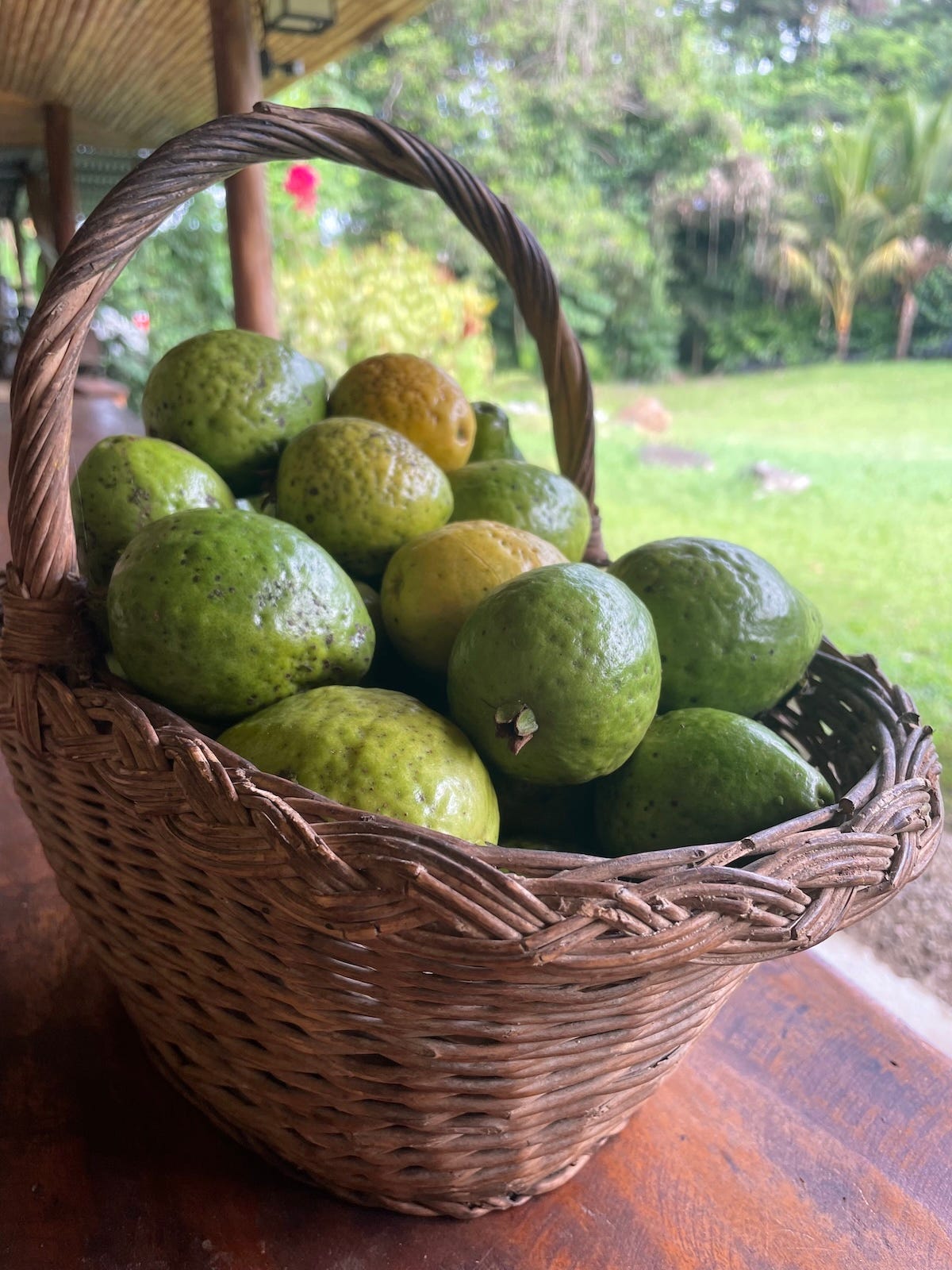
The scent of guava has been everywhere this week.
Some mornings the kitchen smells almost perfumed from the fruit falling heavily from the trees outside. Nearby, jars of guava koso have begun quietly bubbling on the counter while pineapple from a recent ferment dries slowly nearby in the warm tropical air.
This is one of the reasons estate-grown cacao and tropical food continue to fascinate me.
For years, I’ve wondered why chocolate from Madagascar often carries bright acidic fruit notes while cacao from Panama, Colombia, or Ecuador tends toward deeper earthy, coffee-like flavors. I understood the broad ideas behind terroir, climate, genetics, fermentation, and post-harvest handling, but this week something clicked into place more clearly for me after a microbiology article was sent my way by Ellen, a longtime reader and microbiologist who recently moved back to California from Panama.
As I sat with the article longer, I began realizing this conversation extends far beyond chocolate.
This week we also started a salt ferment with green hog plums inspired by some of the preservation work coming out of Noma, while a white bean miso quietly continues developing for a future miso caramel bar.
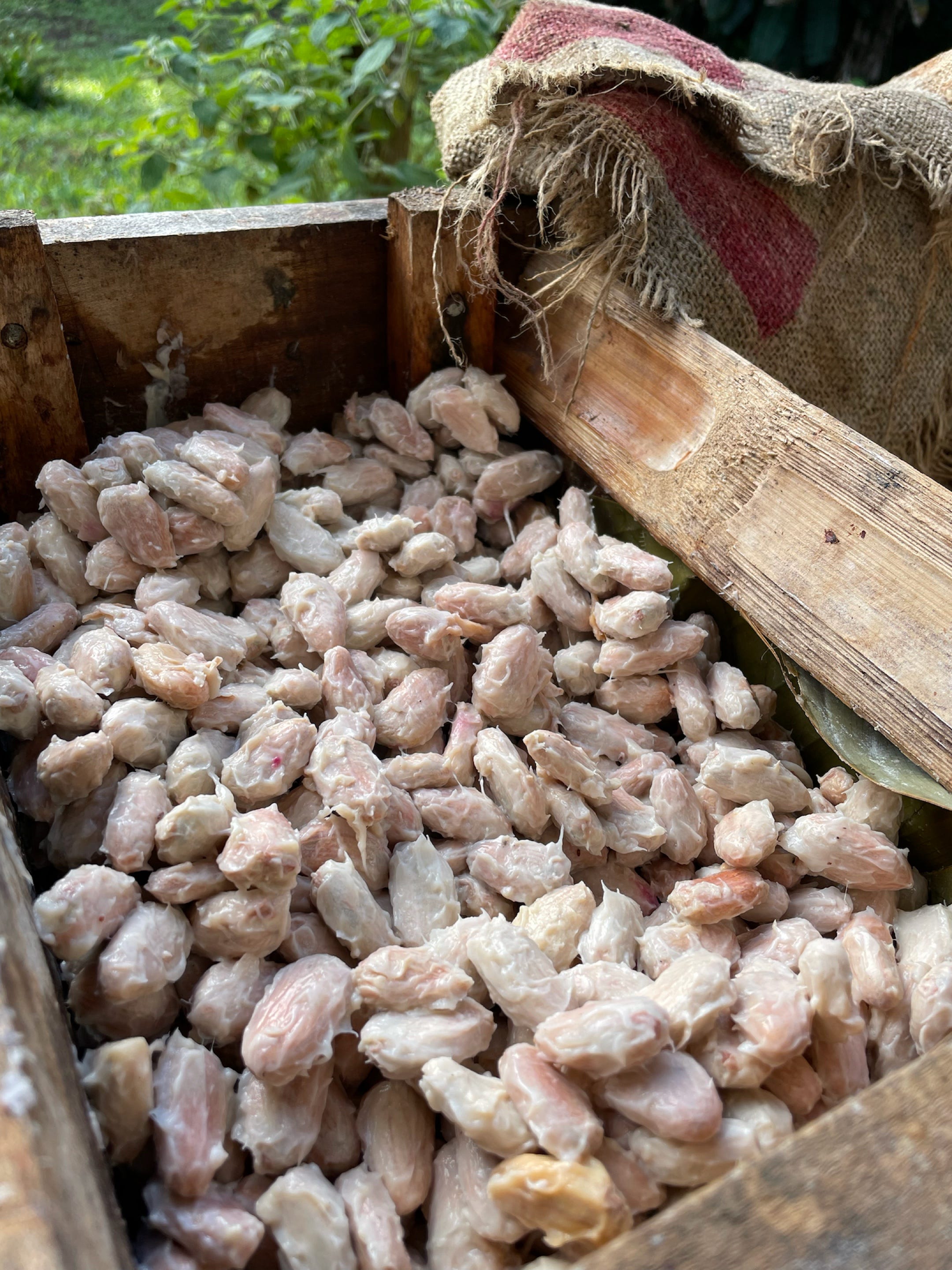
The guava ferments bubbling on the counter. The pineapple drying slowly after its long rest. The cacao warming beneath banana leaves inside the wooden boxes. The white bean miso quietly deepening over the coming months. All of it part of the same living process shaped by time, microbes, climate, and care.
The more time I spend working with chocolate, fermentation, and tropical ingredients, the more I find myself paying attention to the invisible relationships shaping flavor beneath the surface. Some of those relationships are only now beginning to be explained scientifically, while others have long been understood intuitively by farmers, bakers, brewers, fermenters, and craftspeople working closely with the land.
Perhaps that is part of what makes estate-grown food so fascinating to me. It carries traces of climate, season, microbial life, human hands, and place itself in ways we are only beginning to fully understand.
If you’d like to stay close to the rhythms of the estate, seasonal harvests, chocolate making, workshops, and the ongoing story unfolding here beneath the cacao trees, you’re warmly invited to join us at the hearth.
lynbishop.com/hearth
x, Lyn
P.S. If you'd like to read the microbiology article Ellen shared with me, you can find it here: https://asm.org/articles/2026/may/the-alchemy-of-fine-chocolate-how-microbes-shape-f